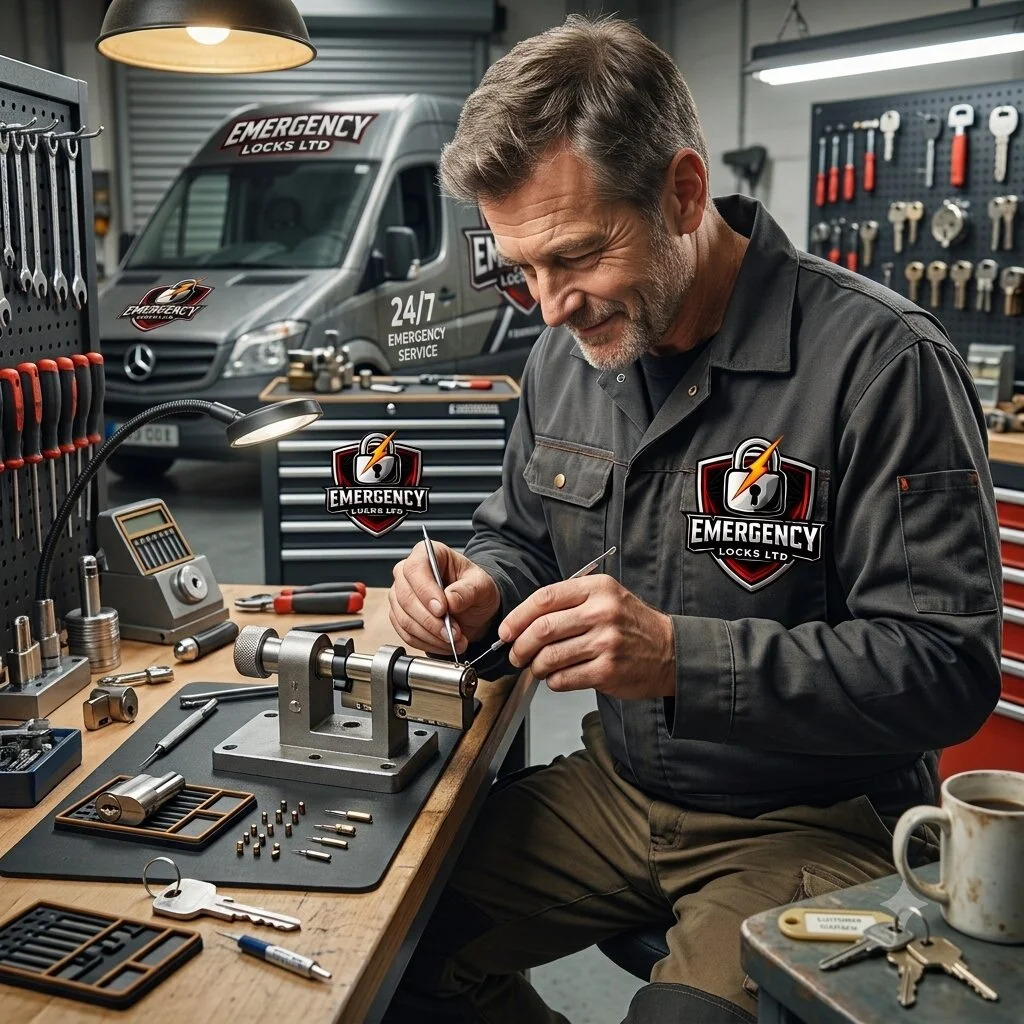
Protecting your property starts with choosing locks that match its security needs. A front door, office entrance, or commercial unit may face different risks, so relying on an old or unsuitable lock can leave an avoidable weakness. Upgrading your locking system can improve resistance to common forced-entry techniques and provide greater confidence when securing your premises. With High Security Locks London services, property owners can explore stronger locking options, assess existing vulnerabilities, and select suitable hardware for their doors. Emergency Locks Ltd provides lock replacement and security upgrade services to help customers improve protection across residential and commercial properties.
What Makes a Lock High Security?
A high-security lock is designed to offer additional protection against techniques such as picking, drilling, snapping, or other forms of manipulation. The level of protection depends on the lock's construction, its tested security rating, and how well it is fitted to the door.
Choosing High Security Locks should involve more than selecting the most expensive product. The lock needs to be compatible with your door and appropriate for the risks associated with the property.
When comparing options, consider:
- Resistance to forced entry: Look for designs tested against relevant attack methods.
- Recognised standards: Check whether the lock meets applicable British Standards or other relevant security ratings.
- Door compatibility: Ensure the lock suits the door material, cylinder type, and existing hardware.
- Correct installation: Even a strong lock can underperform if fitted incorrectly.
- Insurance requirements: Review your policy to establish whether specific lock standards are required.
- Everyday usability: The lock should provide suitable protection without making normal access unnecessarily difficult.
These checks help you choose a product based on practical security benefits rather than marketing claims alone.
Why Consider a High-Security Lock Upgrade?
Locks can deteriorate over time, and older models may not provide the level of protection expected for a modern property. Lost keys, a recent move, a damaged mechanism, or a security incident may also make upgrading a sensible consideration.
For many homes fitted with euro-cylinder locks, an anti-snap cylinder with an appropriate security rating can help address the risk of lock snapping. Other doors may benefit from a British Standard mortice lock, deadlock, or a compatible combination of locking devices.
Emergency Locks Ltd offers lock fitting and replacement services across London, including options intended to improve resistance to common break-in methods.
You may want to review your existing locks if:
- You have moved into a property and cannot account for all keys.
- Your current lock is stiff, damaged, or unreliable.
- You have experienced an attempted break-in.
- Your external doors use older cylinders with limited security features.
- Your business needs stronger control over access to restricted areas.
- Your insurer specifies particular lock standards for your property.
A locksmith can assess the current arrangement and explain whether repair, cylinder replacement, or a wider upgrade is appropriate.
Professional High Security Locks for Different Properties
Choosing Professional High Security Locks means considering the complete entrance rather than the lock alone. Door construction, frame strength, hinges, handles, and the surrounding fittings all contribute to overall security.
For residential properties, a suitable upgrade may focus on the front and rear entrances, patio doors, or accessible external doors. For offices and commercial premises, the priorities may include controlled staff access, restricted keys, or locks that suit frequent daily use.
Common options include:
- Anti-snap cylinders: Designed to provide additional resistance against cylinder snapping when correctly specified and fitted.
- British Standard locks: Suitable products may help meet applicable security or insurance requirements.
- High-security deadlocks: Can provide an additional locking point on compatible doors.
- Restricted key systems: May help manage unauthorised key duplication, depending on the system and its controls.
- Commercial locking solutions: Options for offices, shops, and other premises that require controlled access.
The best choice depends on the door, the intended use, the available budget, and the required level of protection.
How to Choose Trustworthy High Security Locks
When researching Trust High Security Locks options, focus on product quality, suitable standards, professional fitting, and clear information about the work. No lock can make a property completely immune to intrusion, but an appropriately selected system can reduce certain vulnerabilities.
Before confirming an upgrade, ask the locksmith to explain the differences between the available products and why a particular option suits your entrance.
It is also sensible to confirm the total price, parts included, expected installation time, and warranty terms before work begins.
Emergency Locks Ltd states that its technicians are DBS checked and insured, and that its locksmith work includes a 12-month warranty. Ask the company to confirm the terms that apply to your specific installation.
Maintaining Your High-Security Locks
After installation, regular checks can help keep the locking system working as intended.
- Test the lock periodically and watch for changes in operation.
- Avoid forcing a key if the cylinder becomes stiff.
- Keep keys secure and limit access to people who need them.
- Arrange an inspection if the door starts catching or the lock becomes difficult to engage.
- Replace compromised keys or locks when there is a genuine security concern.
- Keep documentation about the lock model, security rating, and warranty.
If a lock suddenly stops working, seek professional advice rather than attempting modifications that could damage the mechanism.
Frequently Asked Questions
Q1. Are high-security locks worth installing?
They can be worthwhile when the selected lock addresses a genuine vulnerability and is compatible with the door. The right choice depends on your property's security needs.
Q2. What is an anti-snap lock?
An anti-snap cylinder is designed to resist a common attack in which a euro-cylinder is broken to manipulate the lock. Protection varies by model and rating.
Q3. Do high-security locks meet insurance requirements?
Some products meet standards recognised by insurers, but requirements differ between policies. Check your policy before purchasing or installing a replacement.
Q4. Can an existing lock be upgraded without changing the door?
Often, yes. Depending on the door and current hardware, a compatible cylinder or lock may be replaced independently of the complete door.
Q5. How often should high-security locks be checked?
There is no single interval for every lock. Check operation periodically and arrange an inspection if you notice stiffness, damage, misalignment, or other changes.
Improve Your Property Security With the Right Lock
A carefully selected lock can strengthen an important part of your property's security. By reviewing existing hardware, choosing a suitable security rating, and ensuring correct installation, you can make a more informed decision about protecting your home or business. Contact Emergency Locks Ltd to discuss high-security lock upgrades, replacement options, and the solutions available for your property in London.